
Fitzpatrick Family Chiropractic, LLC
101 Windflower Lane Suite 800
Solon, IA 52333
319-624-5145
NOTICE OF PRIVACY PRACTICES
Effective Date: January 25, 2017
THIS NOTICE DESCRIBES HOW MEDICAL INFORMATION ABOUT YOU MAY BE USED AND DISCLOSED
AND HOW YOU CAN GET ACCESS TO THIS INFORMATION. PLEASE REVIEW THIS NOTICE CAREFULLY.
This Notice of Privacy describes how we may use and disclose your Protected Health Information (PHI) to carry out treatment, payment or health care operations (TPO) and for other purposes that are permitted or required by law. It also describes your rights to access and control your PHI. “Protected Health Information” is information about you, including demographic information, that may identify you and that relates to your past, present or future physical or mental health condition and related health care services.
USES AND DISCLOSURES OF PROTECTED HEALTH INFORMATION
Treatment: We may use and disclose your personal information to provide you with treatment or services. For example, we may use your health information to prescribe a course of treatment or make a referral. We will record your current healthcare information in a record so, in the future, we can see your medical history to help in diagnosing and treatment, or to determine how well you are responding to treatment. We may provide your health information to other health providers, such as referring or specialist physicians, to assist in your treatment. Should you ever be hospitalized, we may provide the hospital or its staff with the health information it requires to provide you with effective treatment.
Payment: We may use and disclose your health information so that we may bill and collect payment for the services that we provided to you. For example, we may contact your health insurer to verify your eligibility for benefits, and may need to disclose to it some details of your medical condition or expected course of treatment. We may use or disclose your information so that a bill may be sent to you, your health insurer, or a family member. The information on or accompanying the bill may include information that identifies you and your diagnosis, as well as services rendered, any procedures performed, and supplies used. Also, we may provide health information to another health care provider, such as an ambulance company that transported you to our office, to assist in their billing and collection efforts.
Health Care Operations: We may use and disclose your health information to assist in the operation of our practice. For example, members of our staff may use information in your health record to assess the care and outcomes in your case and others like it as part of a continuous effort to improve the quality and effectiveness of the healthcare and services we provide. We may use and disclose your health information to conduct cost‐management and business planning activities for our practice. We may also provide such information to other health care entities for their health care operations. For example, we may provide information to your health insurer for its quality review purposes.
Other Permitted and Required Uses and Disclosure will be made only with your consent, authorization or opportunity to object unless required by law. You may revoke the authorization, at any time, in writing, except to the extent that your physician or the physician’s practice has taken an action in reliance on the use or disclosure indicated in the authorization.
YOUR HEALTH INFORMATION RIGHTS
The following are statements of your rights with respect to your protected health information.
Right to Obtain a Paper Copy of This Notice: You have the right to a paper copy of this Notice
of Privacy Practices at any time. Even if you have agreed to receive this notice electronically,
you are still entitled to a paper copy.
Right to Inspect and Copy: You have the right to inspect and copy medical information that
may be used to make decisions about your care. Usually, this includes medical and billing records, but does not include psychotherapy notes. You have a right to information that is stored electronically that is not in EHR software, including information stored in MS Word, Excel, PDF, plain text and other electronic formats. To inspect and copy medical information, you must submit a written request to our privacy officer. We will supply you with a form for such a request. If you request a copy of your medical information, we may charge a reasonable fee for the costs of labor, postage, and supplies associated with your request. We may not charge you a fee if you require your medical information for a claim for benefits under the Social Security Act or any other state or federal needs‐based benefit program. If your medical information is maintained in an electronic health record, you also have the right to request that an electronic copy of your record be sent to you or to another individual or entity. We may charge you a reasonable cost based fee limited to the labor costs associated with transmitting the electronic health record. You have a right to have this information with-in 30 days of receipt of your request.
Right to Amend: If you feel that medical information we have about you is incorrect or incomplete, you may ask us to amend the information. You have the right to request an amendment for as long as we retain the information. To request an amendment, your request must be made in writing and submitted to our privacy officer. In addition, you must provide a reason that supports your request. We may deny your request for an amendment if it is not in writing or does not include a reason to support the request. In addition, we may deny your request if you ask us to amend information that:
• was not created by us, unless the person or entity that created the information is no
longer available to make the amendment;
• is not part of the medical information kept by Dr. Brian Fitzpatrick;
• is not part of the information which you would be permitted to inspect and copy; or
• is accurate and complete.
If we deny your request for amendment, you may submit a statement of disagreement. We may reasonably limit the length of this statement. Your letter of disagreement will be included in your medical record, but we may also include a rebuttal statement.
Right to an Accounting of Disclosures: You have the right to request an accounting of disclosures of your health information made by us. In your accounting, we are not required to list certain disclosures, including:
• disclosures made for treatment, payment, and health care operations purposes or
disclosures made incidental to treatment, payment, and health care operations, however,
if the disclosures were made through an electronic health record, you have the right to
request an accounting for such disclosures that were made during the previous 3 years;
• disclosures made pursuant to your authorization;
• disclosures made to create a limited data set;
• disclosures made directly to you.
To request an accounting of disclosures, you must submit your request in writing to our privacy officer. Your request must state a time period which may not be longer than six years and may not include dates before April 14, 2003. Your request should indicate in what form you would like the accounting of disclosures (for example, on paper or electronically by email). The first accounting of disclosures you request within any 12 month period will be free. For additional requests within the same period, we may charge you for the reasonable costs of providing the accounting of disclosures. We will notify you of the costs involved and you may choose to withdraw or modify your request at that time, before any costs are incurred. Under limited circumstances mandated by federal and state law, we may temporarily deny your request for an accounting of disclosures.
Right to Request Restrictions: You have the right to request a restriction or limitation on the medical information we use or disclose about you for treatment, payment, or health care operations. You also have the right to request a limit on the medical information we communicate about you to someone who is involved in your care or the payment for your care. You have a right to restrict certain disclosures of Protected Health Information to a health plan where you have paid out of pocket in full for the healthcare item or service. As noted above, we are not required to agree to your request. If we do agree, we will comply with your request unless the restricted information is needed to provide you with emergency treatment. To request restrictions, you must make your request in writing to our privacy officer. In your request, you must tell us what information you want to limit, whether you want to limit our use, disclosure, or both and to whom you want the limits to apply.
Right to Request Confidential Communications: You have the right to request that we communicate with you about medical matters in a certain way or at a certain location. For example, you can ask that we only contact you at work or by e‐mail. To request confidential communications, you must make your request in writing to our privacy officer. We will accommodate all reasonable requests.
Right to Receive Notice of a Breach: We are required to notify you by first class mail or by email (if you have indicated a preference to receive information by e‐mail), of any breaches of Unsecured Protected Health Information as soon as possible, but in any event, no later than 60 days following the discovery of the breach. “Unsecured Protected Health Information” is information that is not secured through the use of a technology or methodology identified by the Secretary of the U.S. Department of Health and Human Services to render the Protected Health Information unusable, unreadable, and undecipherable to unauthorized users.
Research: We may disclose your health information to researchers when the information does not directly identify you as the source of the information or when a waiver has been issued by an institutional review board or a privacy board that has reviewed the research proposal and protocols for compliance with standards to ensure the privacy of your health information.
Appointment Reminders and Other Communications: We may use and disclose Information in your medical record to contact you as a reminder that you have an appointment, might need to set an appointment at Fitzpatrick Family Chiropractic. You may request that we provide such reminders only in a certain way or only at a certain place. We will endeavor to accommodate all reasonable requests.
COMPLAINTS
If you believe your privacy rights have been violated, you may file a complaint with us or with the
Secretary of the U.S. Department of Health and Human Services. We will not retaliate against you for filing a complaint. To file a complaint with us, contact our privacy officer at the address listed above. All complaints must be submitted in writing and should be submitted within 180 days of when you knew or should have known that the alleged violation occurred.
We are required by law to maintain the privacy of, and provide individuals with, this notice of our legal duties and privacy practices with respect to protect health information. We are also to abide by the terms of the notice currently in effect. If you have any questions in reference to this form, please ask to speak with our HIPAA Compliance Officer in person or by phone at our main phone number.
By signing this Agreement, you are only acknowledging that you have received or been given the opportunity to receive a copy of our Notice of Privacy Practices.
Thursday, January 26, 2017

Monday, July 25, 2011
Introducing Cold Laser Therapy

Fitzpatrick Family Chiropractic is very concerned about helping people heal faster and get back to doing the things they enjoy. In keeping with this theme, we have added the latest technology for joint and soft tissue problems, Cold Laser Therapy. Laser Therapy is a painless, non-invasive, drug-free treatment which is used to treat a variety of injuries.
The potential benefits that one can experience from cold laser therapy include:
• Relief of acute or chronic pains
• Promotes faster healing
• Increase blood flow and immune function
• Reduce inflammation
Laser therapy is used to treat over 300 conditions, such as:
• Sprains/Strains • Tendonitis
• Bursitis • Arthritis
• Neck Pain • Low Back Pain
Laser Therapy can be used for accelerating healing from injuries or when other conventional therapies have been ineffective. If you are interested in learning more about how laser therapy can help you, schedule a consultation by calling 624-5145.
Tuesday, April 5, 2011
Sugar Vs. Vitamin C
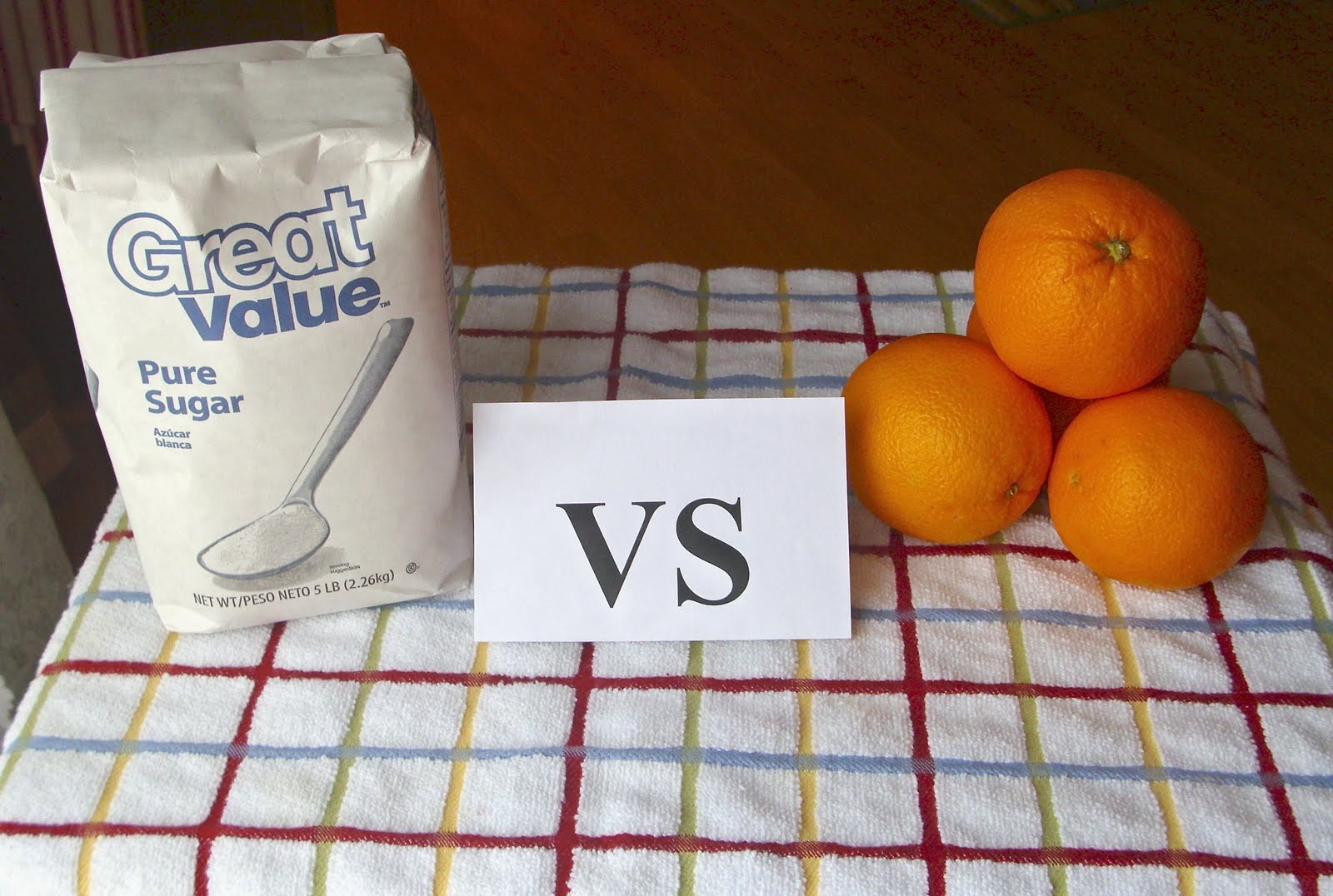
When we start feeling sick, we all know that Vitamin C is supposed to help our immune system fight off bacterial, viral, and other infections. However, what most people don’t know is that we often sabotage ourselves inadvertently when we’re sick by eating lots of sugary comfort foods. Sugar and Vitamin C actually compete with each other for space inside our cells. Our cells don’t recognize the difference in the chemical makeup between sugar and Vitamin C, so if you already have a lot of one, there’s not any room for the other. This means that if you have a temporary blood sugar boost from eating sweetened cereals or a donut with your OJ and vitamin supplement at breakfast, only small amounts of Vitamin C may actually make it into your cells. Studies show a blood sugar value of 120 mg/dL reduces your germ-killing ability by 75%. So when you are feeling ill, it’s important to not only load up on Vitamin C, but to also cut back on your sugar intake to improve your immune function and decrease your amount of time being sick. Just drink a tall glass of water with that Vitamin C supplement and let the healing begin.
Tuesday, October 12, 2010
You're as Young as You Move

Picture a 5 year old out in his yard on a sunny spring day. Now picture a 40 year old at the same place. Then a 75 year old. What differences did you notice? Most likely, you saw various amounts of movement. This is because how much you move determines how young you feel – and vice versa. Chiropractic helps you move with less aches and pains by making you stable before you move. It may not be able to actually reverse your age, but it can help you feel younger!
When we move, we have to stabilize ourselves first. Would you rather reach up to change a light bulb standing on a sturdy step ladder or bean bag chair? Our spines and joints have small muscle stabilizers that stiffen our core so that we can have controlled movements.
If these stabilizers are overloaded, they’re like a blown fuse in a fuse box and shut off. This means that the other muscles and joints have to pick up the slack. And just like anyone who has ever done a two-person job on their own, mistakes can happen and injuries can occur. Chiropractic helps take care of the injuries when they happen and switches the stabilizers back on so that we can move easier… and yes, feel younger!
Thursday, May 13, 2010
Patti's and Fitzy's Giving It Back 5K
 Come join in a 5K race of the southeast side of Solon. All proceeds from this race will go to the Solon Outdoor Event Center (the new outdoor track and stadium complex).
Patti's and Fitzy's Giving It Back 5K
Saturday June 19th, 2010 10:00am
Patti's Woodfire Grill
101 Windflower Lane, Solon, IA
Print registration forms here:
Race Entry Form:
Race Map:
Map:
Wednesday, December 2, 2009
Make No Bones About It

As our first few days of blustery cold weather are upon us, we know that slippery ice will be just around the corner. One of the greatest concerns I have heard from folks lately is about falling and breaking a bone. While only 4% of falls result in a fracture, one of the best ways to decrease your risks of fracture or osteoporosis is to build up better bone density through the foods you eat.
When we think of building stronger bones, our first thoughts lead to drinking plenty of milk. While milk is a great start, there are many options for calcium-rich foods. Many people have some degree of lactose intolerance. For those individuals, eating or drinking dairy products causes problems like cramping, bloating, gas, and diarrhea. For individuals who dislike dairy products or are unable to properly digest them, other options are available. Calcium can also be found in dark green, leafy vegetables, such as spinach and romaine lettuce, as well as in dried beans and legumes. The National Academy of Sciences currently recommends that people ages 19-50 consume 1,000 milligrams of calcium per day, and that those age 50 and over pack in 1,200 milligrams per day. Calcium is also available in supplements, but beware that some calcium tablets are not easily taken up for the body to actually use.
However, calcium isn’t the only player in this equation – there are other important ingredients in building strong bones, like Vitamins D and K. Vitamin D is what moves calcium from your stomach to your bones. We can easily receive our daily dose of Vitamin D from 15 minutes of sunshine in the spring or summer. During an Iowa winter, though, it’s best to obtain Vitamin D through fortified orange juice, milk, yogurts or high-quality supplements. Vitamin K also plays a very important role in bone formation and how calcium is used. Vitamin K can be found in green leafy vegetables like broccoli, Brussels sprouts, and dark green lettuce.
On a final note, keep in mind that the last thing you want to do after eating all of these bone-healthy foods is to consume something that steals calcium away from you. Salty foods and carbonated beverages actually take calcium from your body, leaving your bones weaker than before. Studies show that alcohol and smoking rob calcium from the body as well.
As we bundle up and prepare for another round of Ice Capades this winter, remember that by consuming the right foods and avoiding some others, we can all build and maintain stronger bones through calcium and Vitamins D and K. So if you slip and fall, you will only hurt your pride, not your bones!
For more information on calcium-rich foods, check out: Harvard Study
Friday, November 13, 2009
Starting off on the Right Foot

The average person takes between 3,000 and 5,000 steps per day. With each step, we put a remarkable amount of stress on our feet. When everything is working properly, we take it for granted. When there is a problem, each step can be agonizingly painful. People who are steadily on their feet, such as nurses, teachers, and restaurant staff, are more inclined to have foot problems, as are athletes who participate in foot-stressing activities such as volleyball, running, basketball, and tennis. However, when problems occur, there is help.
If you have ever twisted your ankle, you might still have some weakness, which could still be causing problems. The most common injuries to the ankle include turning it in, such as when wearing high heels; or turning it over, by stepping on a stone or the edge of a curb. These are examples of common ankle sprains.
Occasionally the end of the bone on the outside of the ankle breaks, but more often the ligaments of the ankle on the front and side get torn and produce massive swelling and bruising. It can take 4 to 6 weeks to recover from the immediate injury, but the ligaments very rarely repair satisfactorily and often become full of scar tissue, which is not elastic. This increases the likelihood of rolling it over again and causing further sprains. Such repeated traumas will influence the mechanics of the ankle and cause problems in the joint and the structures above, such as the knee and spine. These tend to become obvious after jogging or long walks, especially on uneven ground, but since the actual symptoms may be in other joints, you do not necessarily think of that old ankle injury being the origin of the problem. Chiropractic treatment can help to prevent chronic and recurring problems.
Another common concern is plantar fasciitis. The arches of our feet work together to serve as shock absorbers when we are standing, walking, and running. Normally, the bones, ligaments and tendons are able to spread out the stress of gravity throughout the entire foot so no single area is overloaded. However, after an injury, such as twisting an ankle or standing on hard surfaces day after day, the 26 bones of the foot can become stuck out of alignment and your foot’s shock absorbers do not continue to work properly. Now whenever you take a step, all of the force gets put on one area, typically the bottom of the heel, and this area become inflamed.
Over time, this pressure on the bottom of the foot can lead to the development of a heel spur. These heel problems don’t often go away on their own. I have seen patients who have had little success with treatments like oral anti-inflammatory medication, steroid injections, orthotics, and prolonged physical therapy. Some have been deemed candidates for surgical removal of the spurs but have declined to pursue that option, electing instead to use chiropractic care and conservative management in an effort to change and improve the actual source of problem.
By focusing on getting each individual foot bone to move properly and stay in the correct alignment, the foot’s natural shock absorbers can work again and take pressure off the heel. Proper alignment also places less stress on the ligaments and decreases the risk of repeated ankle sprains, thereby reducing stress on the knees, hips, and lower back.
If you have grown frustrated with an uncooperative foot, chiropractic care may be able to help you.
Friday, October 9, 2009
Back by Popular Demand...Chi Running Clinic

Learn to run faster, easier, and injury-free. We will be going through the Chi Running DVD, practicing the different skills presented in the video, and taking a short run through the Windflower Lane development to apply the Chi Running principles. Registration is at 3:30p.m. and the cost is $5.00. The registration fee will benefit the Solon Outdoor Events Center. Everyone is invited!
Thursday, September 10, 2009
Brains of Steel

Fit, trim, bulging muscles, and of course buns of steel. We can all picture the benefits of exercise. However, the really cool things, the things that actually have a direct effect on our lives, occur on the inside. Recent developments in neuroscience have shown that moderate exercise doesn’t just help the physical body, but the mind as well. In John Rately’s book, Spark, the author describes how exercise has a direct positive impact on our concentration and ability to learn.
The human brain can only work well when it has an ample supply of oxygen and fuel traveling through the bloodstream. This is why heart health is essentially brain health.
To give you an idea of how this works, picture this: as road crews work to repair I-80, they not only patch up the interstate, but they actually build adjacent roads to decrease traffic and congestion. (If only!) That’s exactly what the body does within 2 hours of working out. The body releases chemicals to both repair and build brand new blood vessels, particularly in the brain, after as little as 30 minutes of moderate exercise. With more healthy blood vessels, the brain obtains more oxygen and fuel and you are able to concentrate, learn, and think better.
So where is the connection between exercise and getting smarter? When we exercise for as little as 30 minutes at a moderate intensity, our bodies release their own form of “Miracle-Gro” called Brain Derived Neurotropic Factor. These are actually enzymes that target the growth and connection of new brain cells. Similar to a garden hose applicator for plant food, these natural growth chemicals can’t reach the plants until the hose is turned on. When we exercise, we pump more blood and allow the body's “Miracle-Gro” to be showered on our brain cells. For a period of two hours after we work out, we are able learn and develop new skills more easily and retain the information for a longer period of time. So those jokes about the dumb jock are wrong --- with a little bit of exercise, you can be both fit and brainy.
These are just a few of findings that link the beneficial aspects of exercise with increased brain health. With enhanced focus and faster learning skills, we all can benefit from exercise on the inside while working on our buns of steel on the outside.
The human brain can only work well when it has an ample supply of oxygen and fuel traveling through the bloodstream. This is why heart health is essentially brain health.
To give you an idea of how this works, picture this: as road crews work to repair I-80, they not only patch up the interstate, but they actually build adjacent roads to decrease traffic and congestion. (If only!) That’s exactly what the body does within 2 hours of working out. The body releases chemicals to both repair and build brand new blood vessels, particularly in the brain, after as little as 30 minutes of moderate exercise. With more healthy blood vessels, the brain obtains more oxygen and fuel and you are able to concentrate, learn, and think better.
So where is the connection between exercise and getting smarter? When we exercise for as little as 30 minutes at a moderate intensity, our bodies release their own form of “Miracle-Gro” called Brain Derived Neurotropic Factor. These are actually enzymes that target the growth and connection of new brain cells. Similar to a garden hose applicator for plant food, these natural growth chemicals can’t reach the plants until the hose is turned on. When we exercise, we pump more blood and allow the body's “Miracle-Gro” to be showered on our brain cells. For a period of two hours after we work out, we are able learn and develop new skills more easily and retain the information for a longer period of time. So those jokes about the dumb jock are wrong --- with a little bit of exercise, you can be both fit and brainy.
These are just a few of findings that link the beneficial aspects of exercise with increased brain health. With enhanced focus and faster learning skills, we all can benefit from exercise on the inside while working on our buns of steel on the outside.
Thursday, July 30, 2009
What if Running Wasn’t so Hard?
 As a cross country coach for the past six years, I have had the opportunity to hear a lot of people’s running stories and aspirations. One of the most common stories I've heard is about the person who loved running all throughout his or her childhood and early adulthood, but then a dreaded injury prevented any hopes of running very much again in the future. The other story I've heard is about the person who hasn’t ever gotten into running – and wants to – but is afraid that it will be too painful or too much work to adopt as a new lifestyle habit.
Each of these situations has always troubled me. Even as chiropractor, I have only been able to help runners heal from injuries and strengthen their bodies. Not until recently have I been equipped with the knowledge to truly attack the problem at its source: the runner’s form. In Danny Dreyer’s Chi Running method, a system of running has been developed to utilize the body’s natural strengths for running, without placing the undue pressure on muscles and joints that can lead to injuries.
The following are some of the general principles of Chi Running:
• Proper form and strong core strength allow you to relax your arms and legs while running. Most people think they have to exert a tremendous amount of energy from their legs in order to run fast. This simply isn’t true. Running smoother is faster and more efficient that running harder.
• You can’t finish a race in one stride. Having the correct stride length can dramatically decrease your chances of injury. Over-striding can lead to IT band, knee, and ankle problems. By shortening your stride, you may have to take a few more steps in the short-term, but it will allow you to take more strides in years to come.
• The same rules apply for everyone. It doesn’t matter if you have run 20 marathons or if you just want to do the Beef Days Fun Run. These running tips can help at any age, gender, or competition level. The most important part is to get from one place to another with less effort and fewer injuries.
In order to help all runners, from beginners to seasoned veterans, I will be hosting a Chi Running Workshop at Fitzpatrick Family Chiropractic on Saturday, August 1st at 10:00 a.m.. We will be going through the Chi Running DVD, practicing the different skills presented in the video, and taking a short run through the Windflower Lane development to apply the Chi Running principles. Registration is at 9:30 a.m. and the cost is $5.00. The registration fee will benefit the Solon Outdoor Events Center. Everyone is invited!
Tuesday, July 14, 2009
Heart Health is Brain Health

Our brains can only work well when it has an ample supply of oxygen and fuel. This is why heart health is essentially brain health. Your brain is only as good the plumbing (heart and blood vessels). Now here is the exciting part, imagine that when they needed to repair I-80, they not only patched up the interstate, but actually built adjacent roads to decrease traffic and congestion. That’s exactly what the body does within 2 hours of working out. The body releases chemicals to repair and build brand new blood vessels, particularly in the brain after as little as 30 minutes of moderate exercise. With more healthy blood vessels, the brain gets more oxygen and fuel and you are able to concentrate, learn, and think better.
Monday, July 13, 2009
Bouncing Back from Injury
 There has been a lot of news in recent weeks about failing solutions to pain and discomfort. First, it was the tragic news of Michael Jackson’s death and the surrounding stories of his dependence on pain-killing drugs. Additionally, the FDA announced lowering the maximum recommended dosage of Tylenol and Excedrin due to these pain relievers’ main ingredient, acetaminophen, being the leading cause of liver failure in the US.
Both of these stories clearly demonstrate how the dangerous nature of an over-reliance on medication can have serious implications on our bodies and minds. By all means, I’m not advocating that everyone throw away their meds. However, I believe it is important to examine our own dependence on pain relievers to simply get through our everyday activities.
So if we are not going to pop a pill, what should we do? Here are some suggestions:
· Ice: Nature’s own form of anti-inflammatory pain reliever. Ice helps to reduce swelling of a new or re-injured area and provides its own pain relieving effects.
· Diet: One way to avoid so much inflammation is to replace pro-inflammatory foods like sugars and white breads with anti-inflammatory foods like whole grains and vegetables. Some of the best anti-inflammatory foods contain Omega-3 fatty acids. Foods like salmon, cod, and sardines are rich with this inflammation-reducing “good fat.” You can also get your Omega-3s with a fish oil supplement.
· Chiropractic: At the root of most inflammation are damaged joints and irritated nerves. Whether it’s twisting an ankle on the basketball court or looking up at fireworks too long, your joints can become stuck out of alignment and aggravate the tissues around them, leading to that dreaded inflammation. By restoring the proper movement and position of each joint, chiropractic adjustments allow the inflammation to dissipate, leaving you much less susceptible to re-injury.
Hopefully, these latest news stories will be reminders for us to only take the amount of medications prescribed by our doctors and help realize that our daily aches and pains don’t have to be met with a dependency on drugs. With the proper use of ice, diet, and chiropractic, a much better way of life is available to you.
Tuesday, July 7, 2009
The Smart Jock
A lot has changed in our educational system since the enactment of No Child Left Behind. We have all seen or heard the news stories of schools shutting down their music, arts, and physical education departments in order for students to spend more time preparing for their tests. According to John Ratey's lastest book, Spark, some schools, however, have taken a different approach. Instead of reducing PE time like a majority of schools (only 6% of US high schools currently have daily PE), they not only have increased PE time, but they have taken a different approach to it as well.
Consider the example of the Naperville, Illinois School District: In 1990, they revised the PE program to measure an individual student’s physical effort using heart rate monitors instead of traditional athletic benchmarks of mile times and number of chin-ups. The emphasis on daily individual fitness rather than athletic achievements has led to some dramatic results. In 2002, only 3% of Naperville’s freshman class was overweight or obese compared to the national average of 30%.
Consider the example of the Naperville, Illinois School District: In 1990, they revised the PE program to measure an individual student’s physical effort using heart rate monitors instead of traditional athletic benchmarks of mile times and number of chin-ups. The emphasis on daily individual fitness rather than athletic achievements has led to some dramatic results. In 2002, only 3% of Naperville’s freshman class was overweight or obese compared to the national average of 30%.
However, the most outstanding results weren’t measured in pounds, but rather in test scores. In 1999, the Naperville students took the Trends in International Mathematics and Science Study (TIMSS). This is a test administered to students all over the world to measure knowledge in math and science. This exam is often referenced by those who state that America is falling behind Asian countries in these two subjects. While that may be true for much of the country (ranking 18th in science and 19th in math), it doesn’t apply to Naperville, whose students finished 1st in science and 6th in math worldwide.
How did these students do it? At Naperville, students have PE every day for the entire year. They do more cardio fitness than most other schools by running mile once a week and participating in small group sports like 3-on-3 basketball or 4-on-4 soccer. Students are then graded upon their ability to maintain heart rates in a targeted range (according to their age, height and weight) each day. In order to keep students interested, the schools offer 18 different activities so students can find something in which they both excel and enjoy – and most importantly, will continue to do throughout their lives.
So where is the connection between exercise and getting smarter? When we exercise for as little as 30 minutes at moderate intensity, our bodies release their own form of “Miracle-Gro”. These are actually enzymes that target the growth and connection of new brain cells. Similar to a garden hose applicator for plant food, these natural growth chemicals can’t get on the plants until the hose is turned on. When we exercise, we pump more blood and allow the body's “Miracle-Gro” to be showered on our brain cells. For a period of two hours after we work out, we are able learn and develop new skills more easily and retain the information for a longer period of time. This is why Naperville's system involves scheduling students' most challenging academic courses immediately following PE.
The link between exercise and “Miracle-Gro for the brain” is just one of the many benefits that we can gain through regular physical activity. For more information, check out John Ratey’s latest book, Spark: The Revolutionary New Science of Exercise and the Brain and http://www.pe4life.com/ to learn more about the benefits of exercise for yourself and your children.
Monday, June 29, 2009
“Digging In” to Injury-Free Gardening
 As the summer weather arrives, I have already seen a lot of rakes, hoes, and spades make their way back into people’s yards. While gardening can be a relaxing pastime, it also counts as exercise. So just like any other activity it’s important to protect your body now in order to maximize your enjoyment through October. Here are some helpful reminders to protect from any injuries from being a thorn in your side:
- Warm up by walking for 5 min - This can be accomplished by walking around your yard and surveying what needs to be done!
- Use ergonomically designed tools to conform to your hand – Use wide tool handles with foam tubing for easier gripping and garden supplies that are small and lightweight when working close to the soil. Use long handled tools to avoid bending and stooping.
- Avoid squatting - Either kneel using knee pads or sit on a chair or stool. Raised garden beds can help make it easier on your knees and back.
- Avoid twisting movements - Move your feet in the direction you are going to toss mulch or soil.
- Switch hands frequently when doing prolonged raking, hoeing or digging actions. Repetitive motion on one side can bring on progressively serious joint imbalances and may produce postural misalignments and pain, including muscle spasms in the neck, shoulders and lower back.
- Vary your activities - Try not to spend more than 20-30 minutes on one particular task.
- Moving to something else after a while will increase your overall productivity!
- Take frequent small breaks and drink plenty of water - Perform exercises to stretch the many muscles in your wrists and hands.
- Garden with a Friend - It’s beneficial to have someone else there to assist you with lifting heavier loads or to split up repetitive tasks, and it’s fun to learn from someone else’s perspective!
If you come in sore from gardening, ice and rest is advised for the pain and to reduce inflammation. Typically, the soreness will go away in a few days. However, it never hurts to be checked out by a health professional if the pain/soreness doesn’t subside in a reasonable amount of time. If you are experiencing discomfort while gardening, you can schedule a chiropractic consultation by calling 624-5145.
Welcome
Hi, I'm Dr. Brian Fitzpatrick and I wanted to provide a forum for patients, friends, and others to learn about the little things that they can do that can make a BIG impact in their lives and the lives of those around them.
I'll try to include articles and tips on activities that my patients and I enjoy, but if you have any questions or topics that you would like to hear more about, please send them along.
-Dr. Fitz
I'll try to include articles and tips on activities that my patients and I enjoy, but if you have any questions or topics that you would like to hear more about, please send them along.
-Dr. Fitz
Subscribe to:
Posts (Atom)
